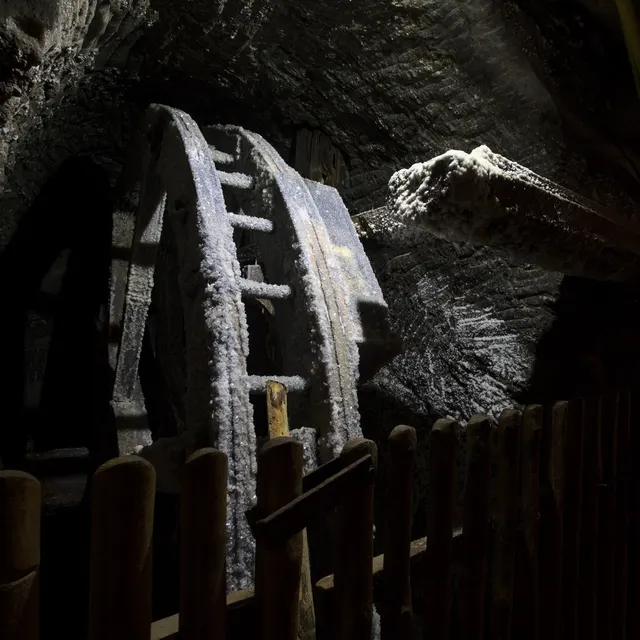
How old is the Bochnia Salt Mine, really?
Salt has been mined here since 1248, which makes Bochnia the oldest salt mine in Poland and one of the oldest in the world. It produced salt continuously until 1990 and is now open to visitors as a UNESCO-listed site.
What's included in the tour?
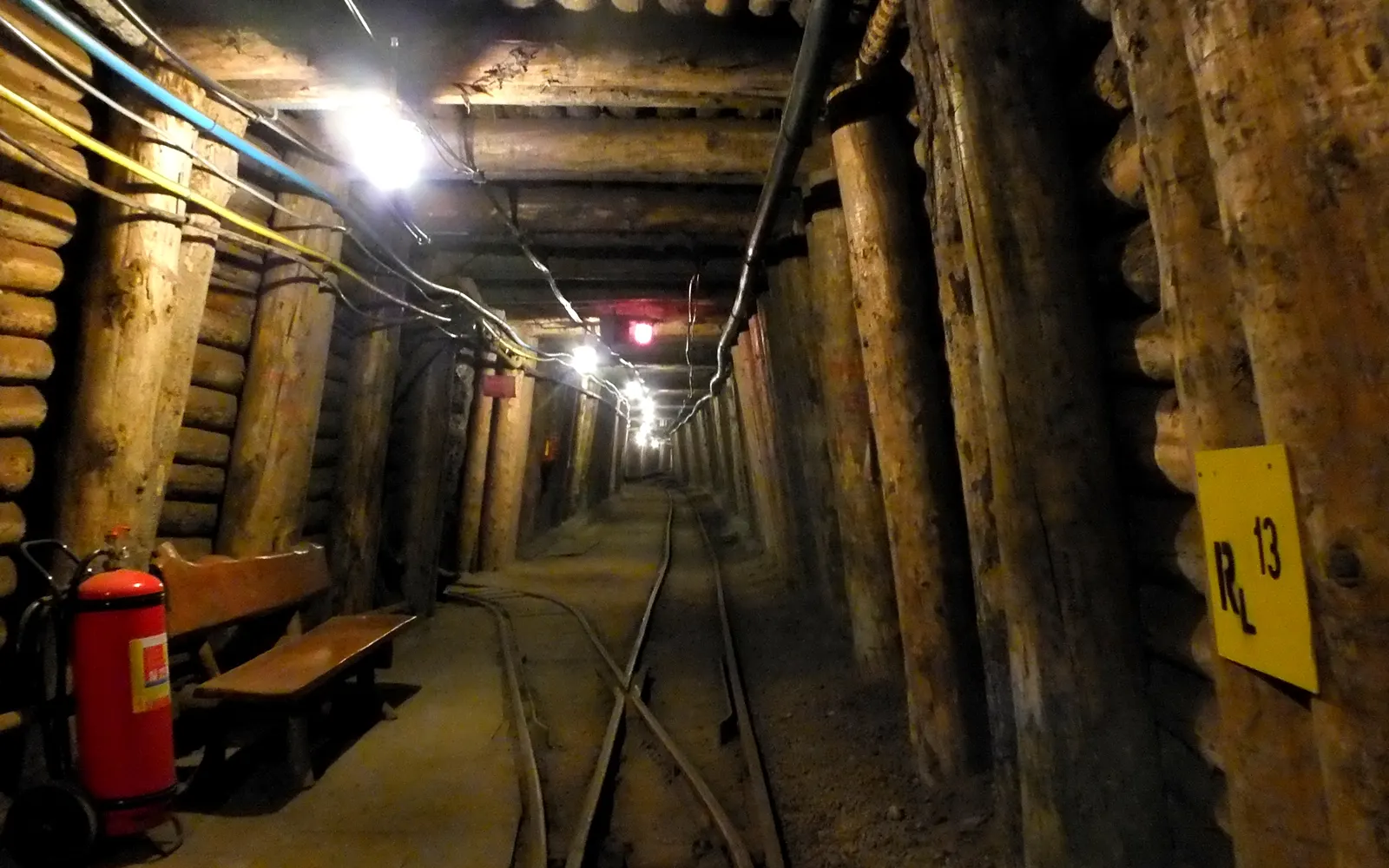
The main ticket is the Tourist Route with Multimedia Exposition — about three hours underground that takes in the historic worked chambers, the modern multimedia galleries, an underground boat crossing over the mine's brine, and the vast Ważyn Chamber.
Is there really an underground boat crossing?
Yes. The Tourist Route includes a short crossing by boat over water deep inside the mine — one of the things that sets Bochnia apart from other salt mines. It's part of the standard route, not an extra.
How is Bochnia different from the Wieliczka mine?
Both are UNESCO-listed royal salt mines near Kraków. Wieliczka is larger and busier; Bochnia is quieter and more hands-on, with its boat crossing, the huge Ważyn Chamber and a long underground slide. Many people who've done Wieliczka come to Bochnia for something different.
Do I need to pick a tour time?
Yes. Entry is by timed tour, so your ticket is for a specific date and start time. We show you live availability before you book, mark each time with its language, and reserve the slot for you.
Is the tour in English?
It depends on the departure you choose, and we label every one. Times marked English are led by a guide with a free audio guide in English (German, Spanish, French, Italian, Czech and Slovak are also available), usually one departure a day. Times marked Polish are guided in Polish with no audio guide, and there are more of them through the day. If your date only shows a Polish departure and you'd rather have English, pick a neighbouring date or ask us before you book.
Can I just skip the line at the entrance?
Your timed ticket lets you skip the ticket-desk queue — you don't line up to buy. You still gather with your tour group at the start time, the same for everyone.
How far ahead should I book?
Online sales for each tour close 60 minutes before it starts, and weekend and morning tours are the busiest. If you have a fixed date it's worth booking ahead — tell us your date and we'll arrange it.
How long is the tour and how far down does it go?
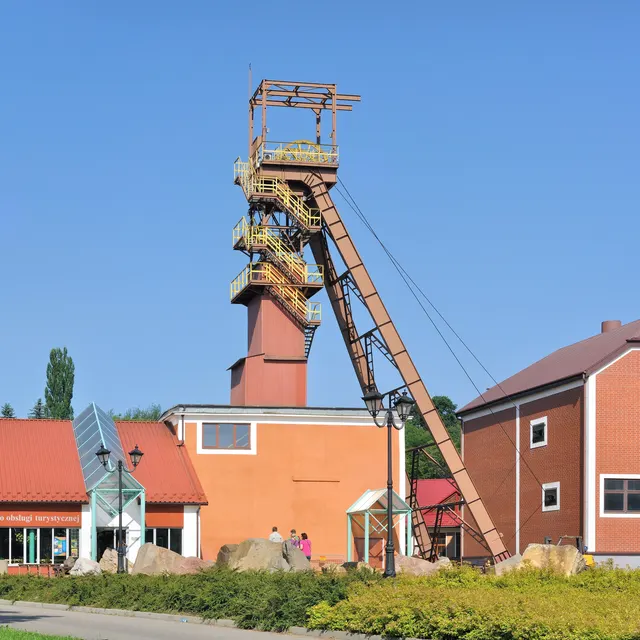
The Tourist Route runs about three hours. The mine reaches 468 metres deep across 16 levels; the visitor route sits well underground, reached by the historic shafts.
What should I wear?
It's a constant cool underground — around 14–16°C all year — so bring a light jacket or layer even in summer. Wear flat, comfortable shoes; there are stairs and some uneven salt floors.
Are children's, student or senior tickets available?
Yes. The mine offers reduced tickets for children, students, seniors and other eligible visitors, but they require ID or a card checked at the entrance. Message us before booking and we'll match the right ticket for your group.
Is it suitable for children?
Very. The boat crossing, the multimedia galleries and the great Ważyn Chamber with its slide tend to land well with kids. Note the three-hour length and the cool temperature, and bring a layer for them too.
Is the mine wheelchair accessible?
The mine is reached by shaft and includes stairs and uneven floors, so access is limited. Tell us your needs before you book and we'll confirm the current arrangements directly with the mine.
How do I get there from Kraków?
Bochnia is about 40 km east of Kraków — roughly 45 minutes by car, or under an hour by train to Bochnia on the Kraków–Tarnów line, then a short local hop to the mine. Allow half a day for the round trip.
What happens if my plans change?
Tell us as early as you can. Where the mine's rules allow, we'll try to move your slot. All sales are final, with refunds only if the mine cancels your visit.
Do you charge more than the mine?
Our price includes our booking and concierge service, so it's above the mine's own counter price. What you pay is what you see — no fees added at checkout. All sales are final, with refunds only if the mine cancels your visit.
Is this the official mine website?
No. We're an independent concierge that books official tickets for international visitors and supports you in your own language.
What is the Bochnia Salt Mine?
The Bochnia Salt Mine is the oldest salt mine in Poland, worked continuously from 1248 until commercial production ended in 1990, and one of the oldest mines anywhere in the world. It lies in the town of Bochnia, about forty kilometres east of Kraków in the Lesser Poland region. Its shafts descend well over three hundred metres across sixteen worked levels, into chambers carved by hand over almost eight hundred years. In 2013 it was inscribed on the UNESCO World Heritage List as an extension of the Wieliczka listing, so the two royal salt mines share that status. Today the Bochnia Salt Mine opens its underground world to visitors on guided tours, which take in historic galleries, an underground boat crossing over the mine's brine, and the vast Ważyn Chamber, a hand-cut space also used for underground sanatorium stays.
How do I get to the Bochnia Salt Mine?
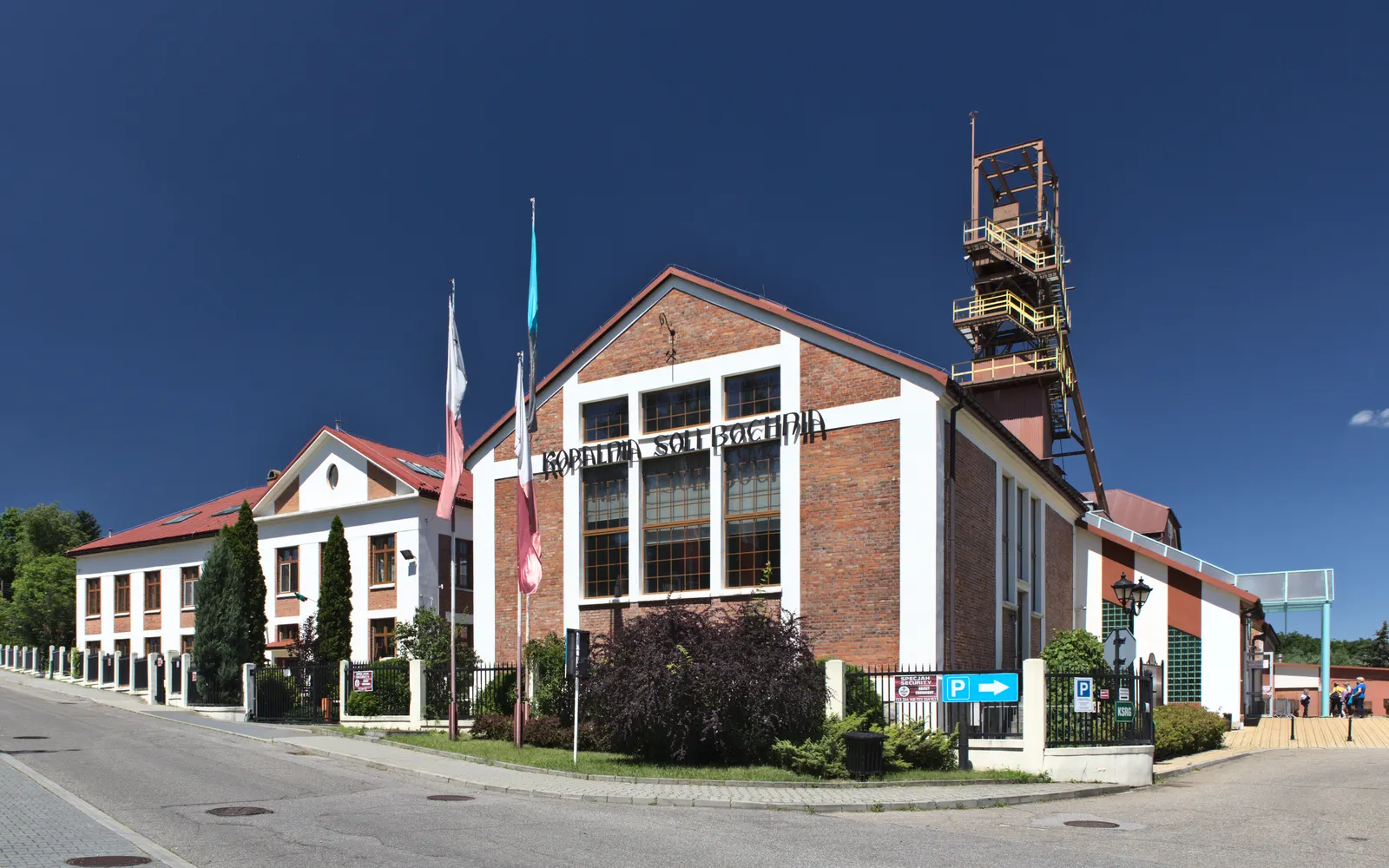
The Bochnia Salt Mine sits about forty kilometres east of Kraków, an easy day trip that still takes a genuine journey. By car it is roughly a forty-five-minute drive on well-signed roads heading east, with parking available near the Campi shaft entrance at ul. Campi 15 on the edge of Bochnia. By train it is under an hour to Bochnia station on the Kraków–Tarnów line, with regional services running regularly through the day, so you need not plan around a single departure. From the station the mine is a short taxi ride or local bus away rather than a walk for most visitors, so factor in that brief transfer. Allow around half a day for the whole round trip once you add the three-hour tour. Because the Bochnia Salt Mine lies further out than Wieliczka, it stays noticeably quieter, which is a large part of its appeal.
What is there to see at the Bochnia Salt Mine?
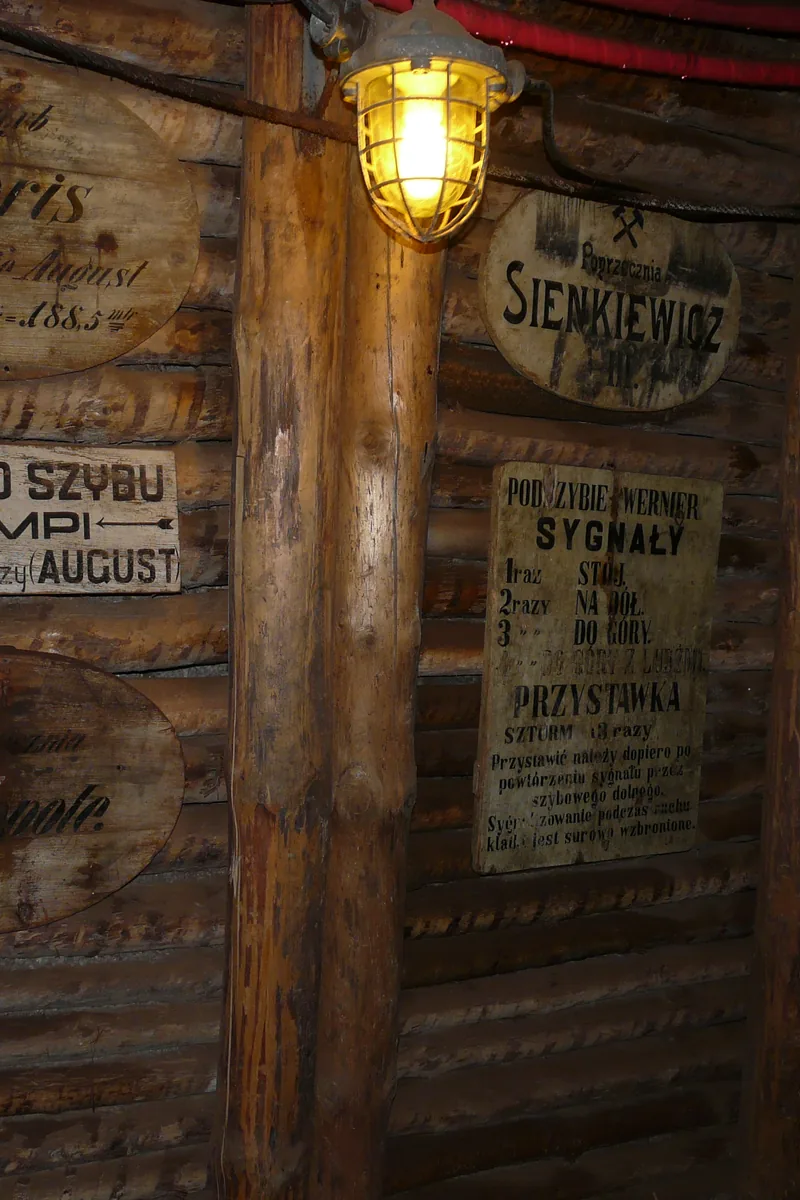
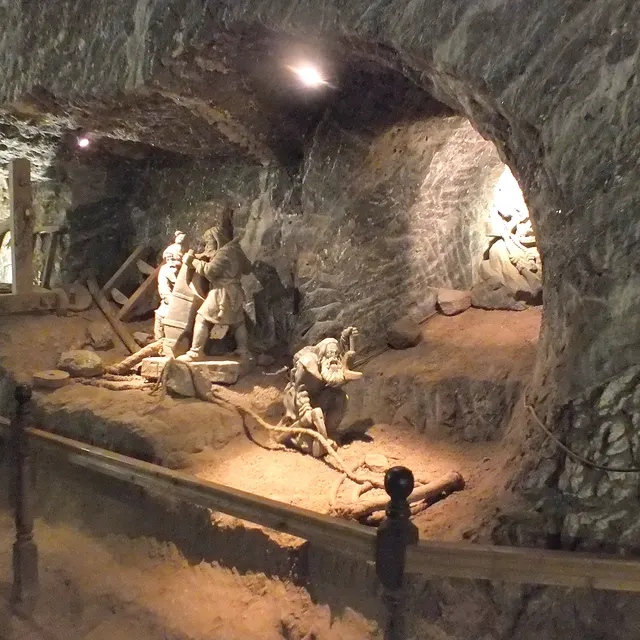
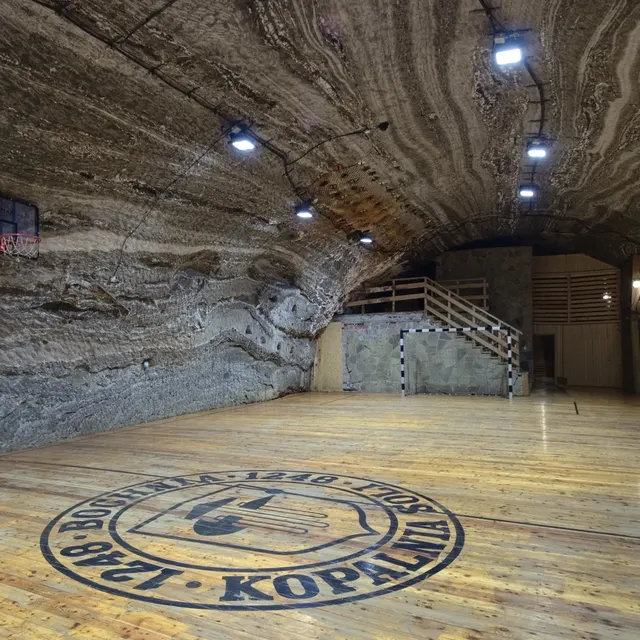
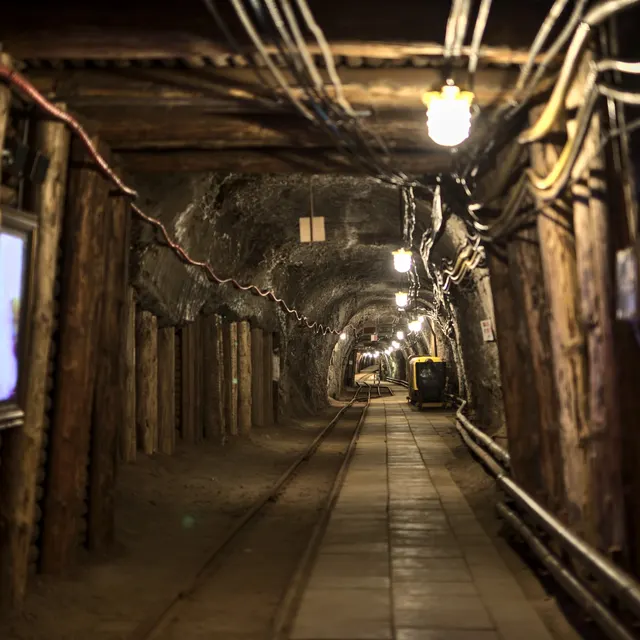
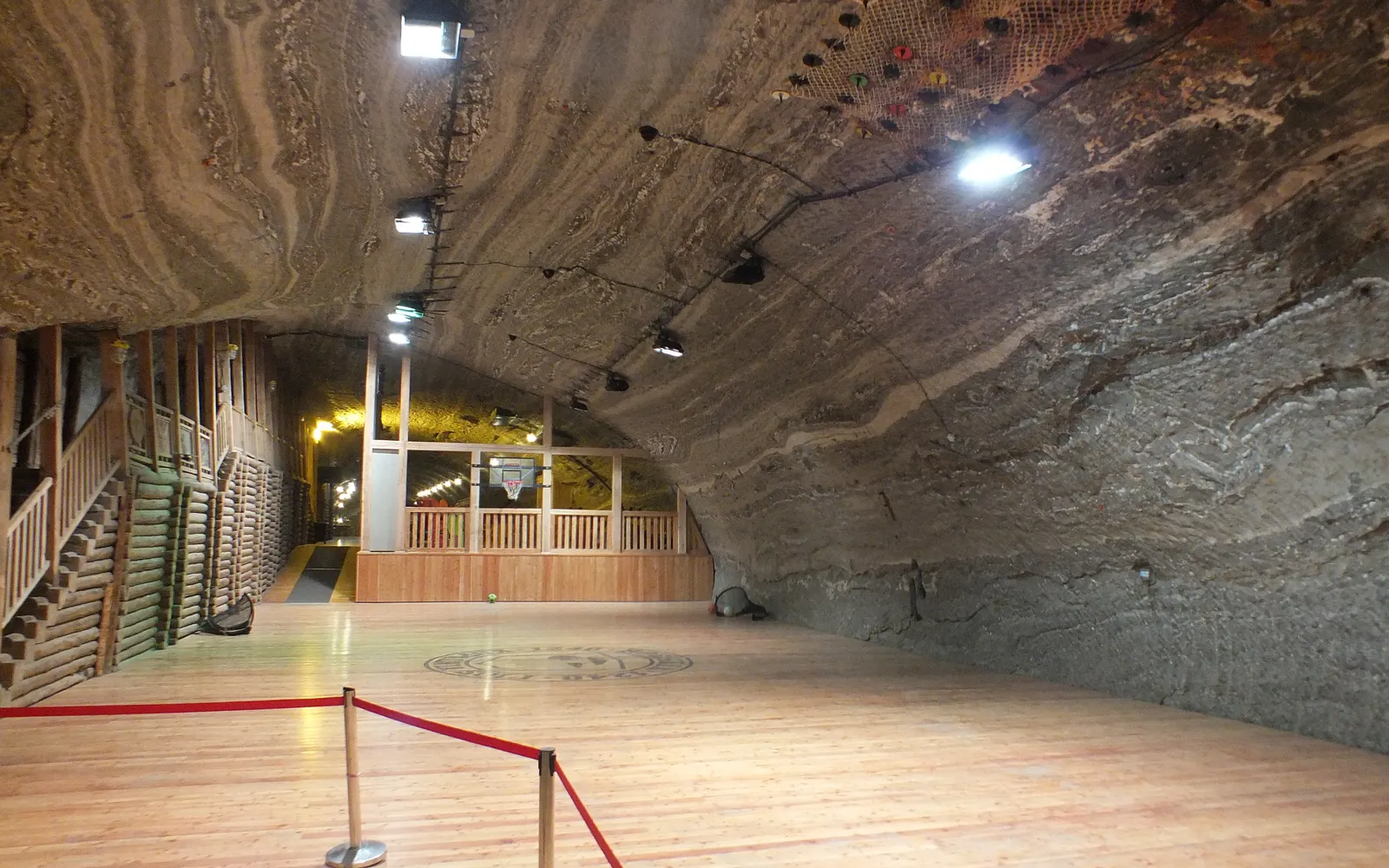
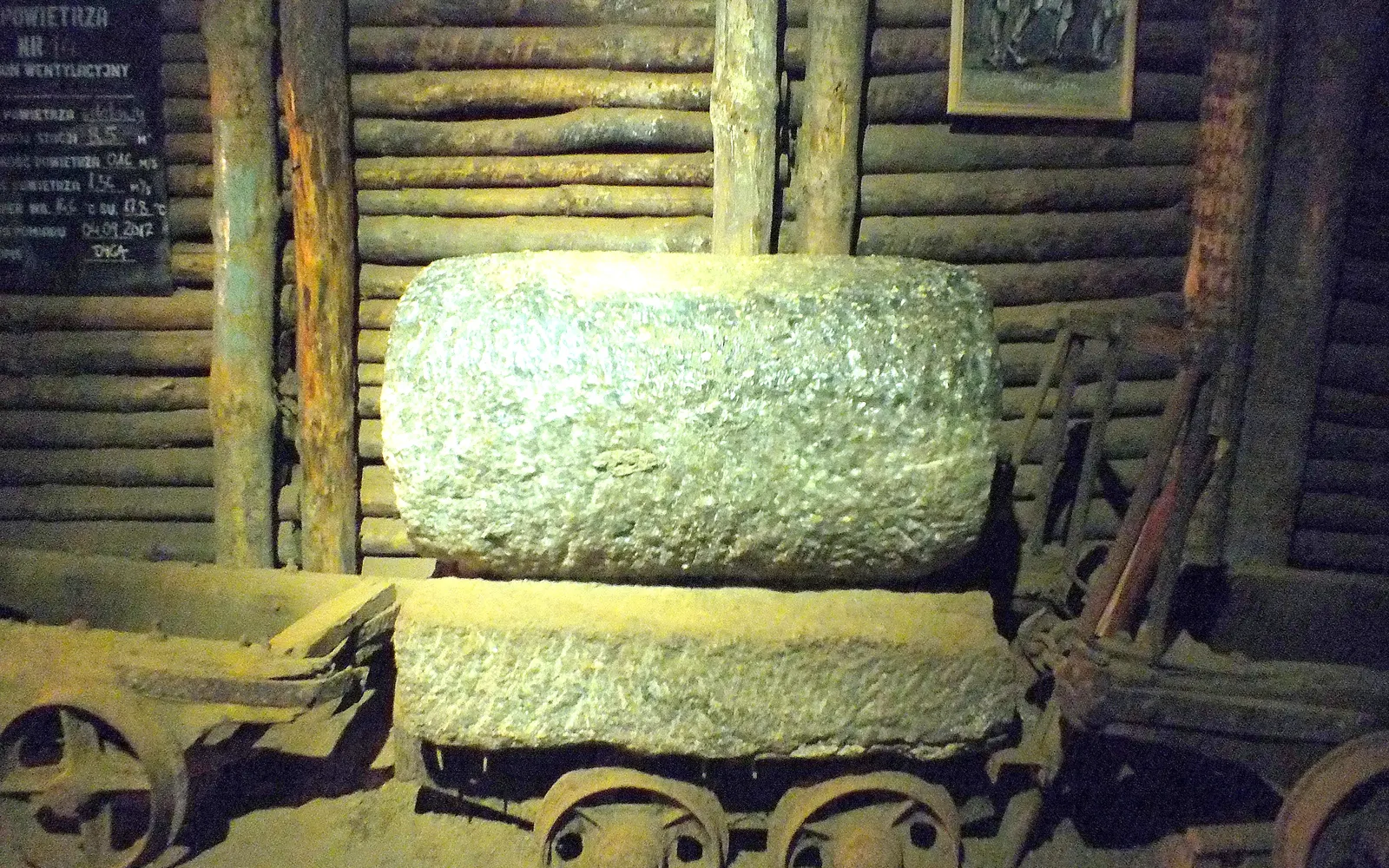
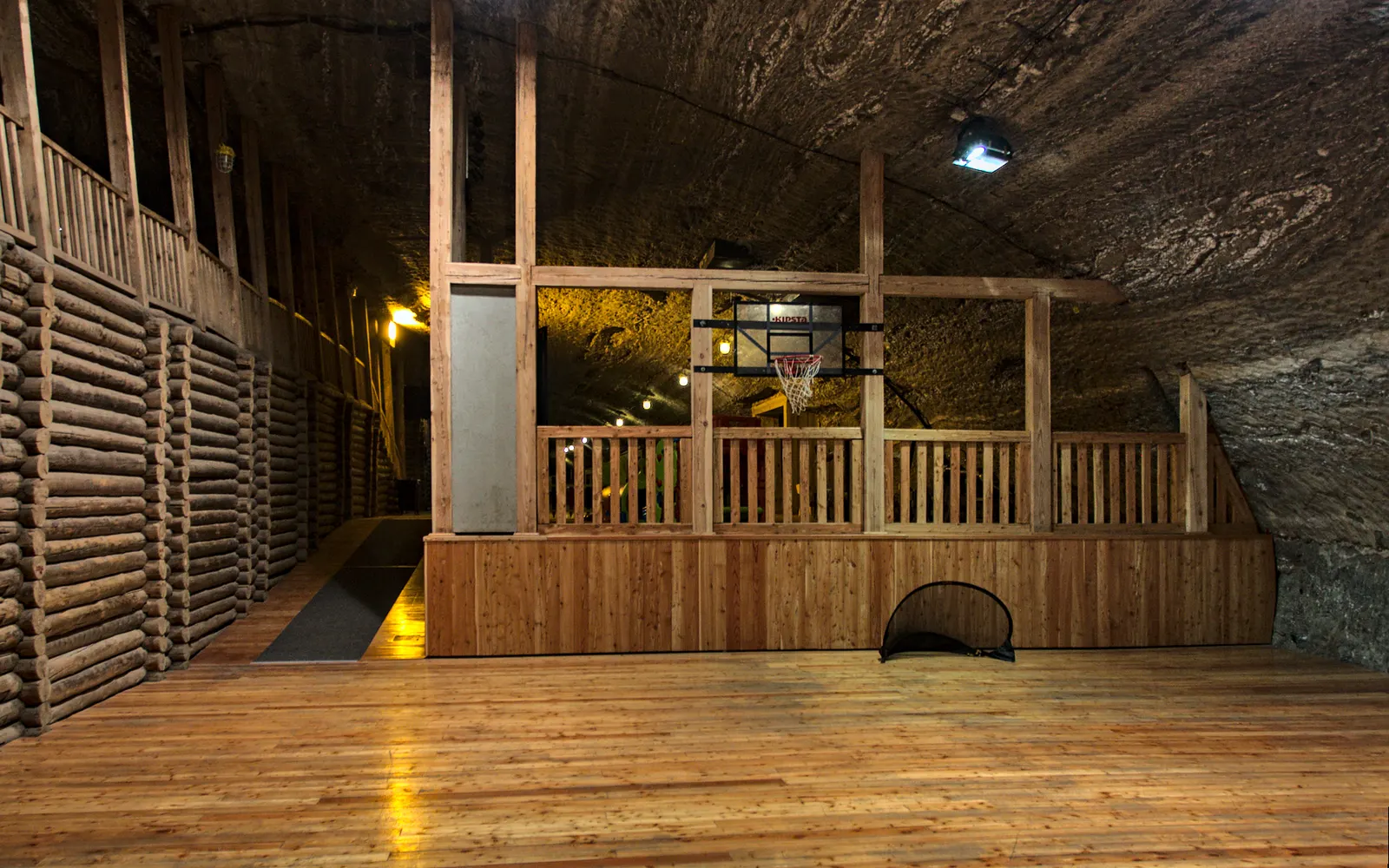
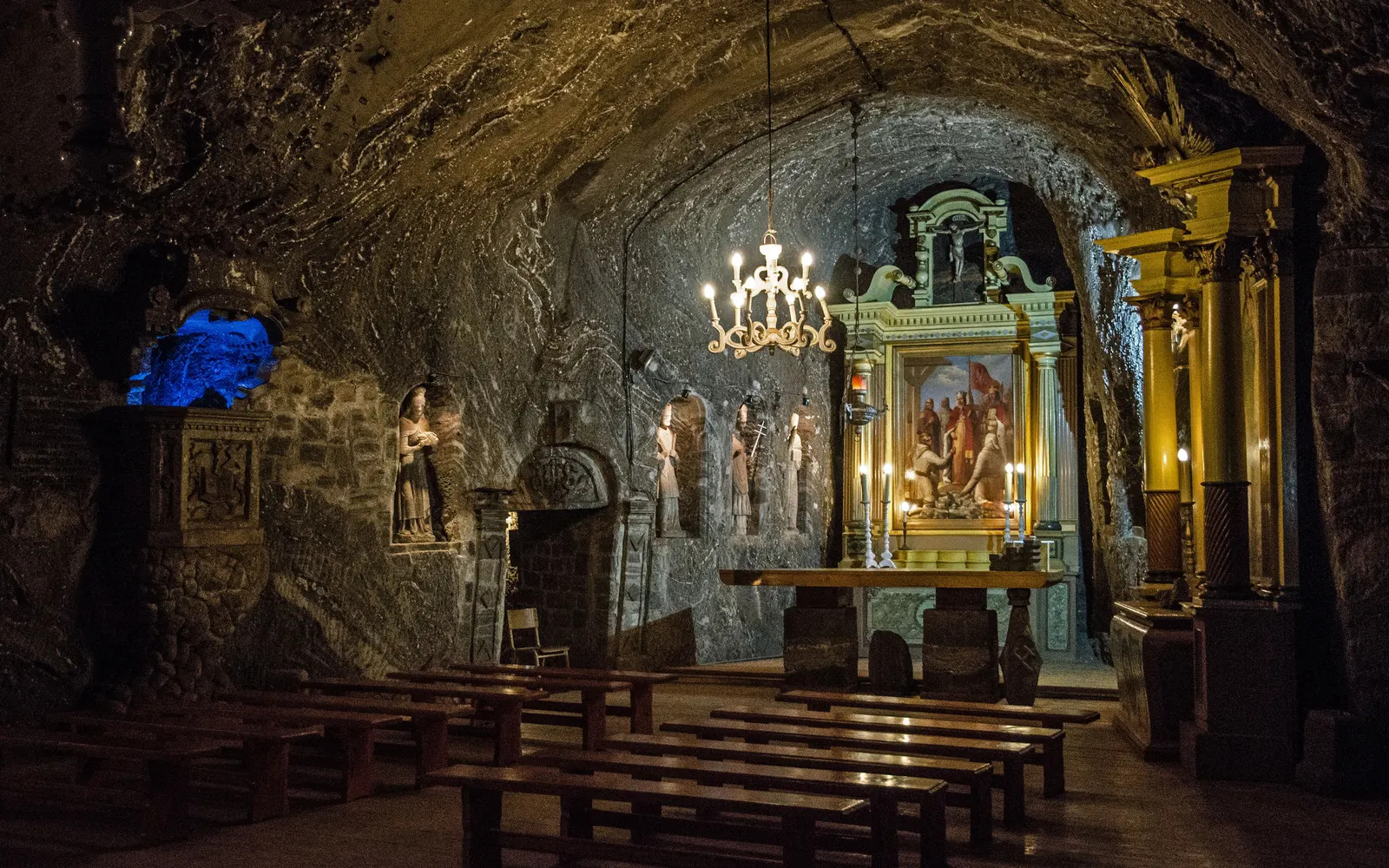
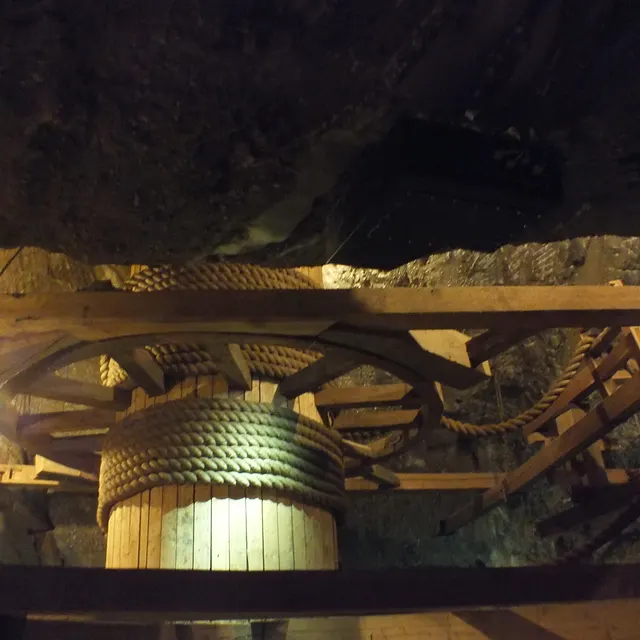
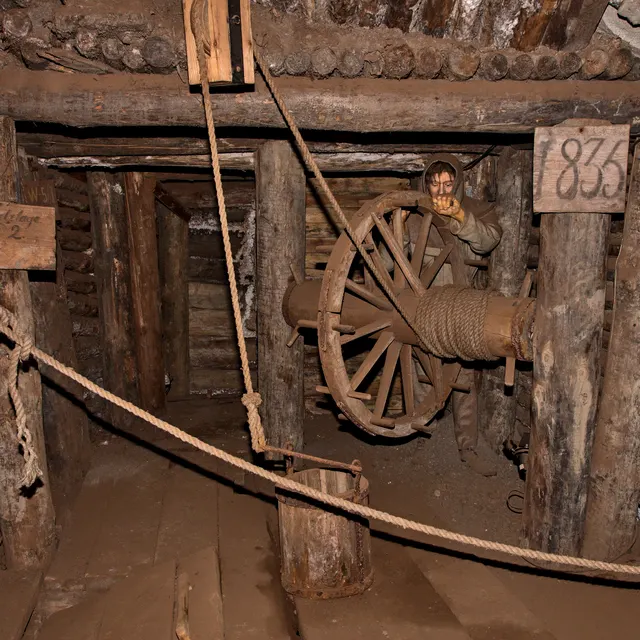
The main visit to the Bochnia Salt Mine is the Tourist Route with Multimedia Exposition, about three hours underground that blends historic hand-worked galleries with modern multimedia rooms telling the mine's story from its founding in 1248 to the end of production in 1990. Two features stand out. The first is an underground boat crossing over the mine's brine, one of very few of its kind anywhere and part of the standard route rather than an extra. The second is the vast Ważyn Chamber, a hand-cut space more than two hundred and fifty metres long and around two hundred and forty-eight metres deep, large enough to hold recreational facilities and used for sanatorium stays. Along the way you pass original mining equipment, an underground chapel, and a long wooden slide between levels, giving a real sense of centuries of salt extraction at the Bochnia Salt Mine.
Is the Bochnia Salt Mine worth visiting?
Yes, the Bochnia Salt Mine is well worth visiting, especially if you want a quieter, more hands-on alternative to the busier Wieliczka mine near Kraków. As the oldest salt mine in Poland, worked since 1248 and now UNESCO-listed, it carries almost eight centuries of history, yet it sees only a fraction of Wieliczka's visitor numbers, so the experience feels calmer and more personal. It also offers highlights you will not find elsewhere: an underground boat crossing over the mine's brine, a long slide, and the enormous Ważyn Chamber. The roughly three-hour Tourist Route with Multimedia Exposition suits families and history-minded travellers alike, and it is typically less expensive than Wieliczka. If you value avoiding crowds and enjoy an unusual, genuinely memorable day underground, the Bochnia Salt Mine rewards the trip east from Kraków handsomely.
How long do you need at the Bochnia Salt Mine?
Plan for about three hours underground at the Bochnia Salt Mine, which is the length of the standard Tourist Route with Multimedia Exposition. That covers the historic galleries, the multimedia rooms, the underground boat crossing over the mine's brine, and the vast Ważyn Chamber, with a fair amount of walking, stairs and uneven salt floors along the way. Once you add travel from Kraków, roughly forty-five minutes by car or under an hour by train plus a short transfer to the Campi shaft entrance, you should set aside around half a day door to door. It is sensible to arrive with a comfortable margin before your tour start, since entry is by timed tour and online sales close sixty minutes before each departure. Eat before or after rather than during the visit, as the Bochnia Salt Mine tour does not pause for a proper break.
When is the best time to visit the Bochnia Salt Mine?
The Bochnia Salt Mine rarely feels crowded, so the best time is really about comfort and availability rather than escaping a crush. A weekday afternoon is usually the calmest, since morning tours and weekend slots fill first with Polish families and day-trippers. Across the year, summer from June to August is busiest, though still modest next to Wieliczka; spring and autumn are quieter, and winter is calmest of all, ideal if you want the Ważyn Chamber almost to yourself. The underground stays a constant fourteen to sixteen degrees Celsius whatever the season, so temperature is not a factor in choosing a month, only surface crowds and travel comfort. Because entry is by timed tour and online sales close sixty minutes before each departure, booking ahead for a fixed date, especially a summer Saturday, is wise so you secure the tour time you want at the Bochnia Salt Mine.
Is the Bochnia Salt Mine worth the trip from Kraków?
Yes — especially if you want a quieter, more hands-on salt mine. Bochnia is about 40 km east of Kraków and far less crowded than Wieliczka, with an underground boat crossing and the huge Ważyn Chamber that you won't find elsewhere.
How much time do I need?
The Tourist Route with Multimedia Exposition runs about three hours underground. With the journey from Kraków, plan for roughly half a day door to door.
What's the single thing not to miss?
The underground boat crossing and the Ważyn Chamber. The chamber is so large it holds a sanatorium, a sports court and a long slide deep below ground — there's nothing quite like it in the other Polish salt mines.
Bochnia or Wieliczka — which should I choose?
If you want the biggest and most famous, that's Wieliczka. If you want quieter, more playful and more child-friendly — with a boat crossing and a slide — choose Bochnia. Keen visitors do both, on separate days.
Are reduced or family tickets worth it?
They're cheaper but require ID or documents shown at the mine, so they can't always be pre-booked cleanly online. If your group mixes ages, tell us the make-up and we'll match the right official ticket before you pay.
When is it quietest?
A weekday afternoon. Morning tours and weekends are the busiest. Online sales close 60 minutes before each tour, so don't leave a same-day booking too late.
Is Bochnia less crowded than Wieliczka?
Yes, considerably — Bochnia sees a fraction of Wieliczka's annual visitor numbers, which draw well over a million people a year. Bochnia's quieter atmosphere is one of its main appeals.
Can I take photos inside the mine?
Yes, personal photography is generally permitted along the Tourist Route. Some specific rooms or temporary exhibitions may have their own restrictions, shown on-site.
Is the mine accessible for visitors with limited mobility?
The standard route involves stairs and uneven floors, but a specially adapted accessible route avoiding stairs and narrow passages runs at designated times. Tell us before booking and we'll confirm current arrangements.
What else can I combine a Bochnia visit with?
Bochnia's own old town near the station is worth a short look, and it pairs naturally with a Kraków-based trip or with Wieliczka Salt Mine on a separate day.
Is Bochnia Salt Mine used for health treatments?
Yes — part of the mine operates as an underground health resort, using the constant cool, humid, pollen-free air for respiratory therapy, with some visitors staying overnight far below the surface. This is separate from the standard tourist tour.